Scaling B2B Franchises: Tech, Culture, and Sales
 dbernd
November 5, 2026
Scaling a B2B franchise in a commoditized industry requires far more than aggressive ad spend; it demands precision targeting, operational discipline, and technology that eliminates client friction.
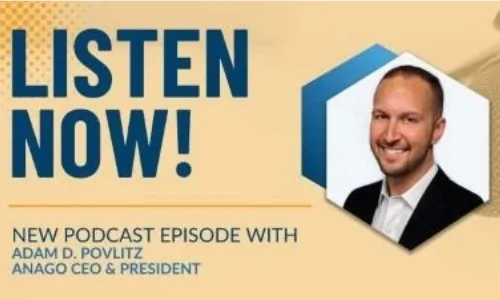
In this episode of The Franchise Whispering Podcast, Adam Povlitz breaks down how the 50-market commercial cleaning giant outperforms competitors by rethinking contract seasonality, franchise culture, and client communication.
From leveraging proprietary tech to closing deals without getting ghosted, Adam reveals the blueprint for building sustainable B2B market dominance.
Key Takeaways
- Culture Precedes Scale: Sustainable franchise networks require selecting operators with a high-level CEO mindset rather than buyers seeking a routine job.
- B2B Targeting Is Hyper-Specific: Unlike B2C campaigns targeting broad demographic segments, B2B commercial services focus entirely on a single decision-maker per company operating on strict annual budget cycles.
- Differentiate Through Client Service Tech: In a market where everyone uses similar tools and supplies, proprietary tech like Anago’s CleanCom app creates an operational moat with real-time translation and guaranteed response windows.
- Frictionless Complaints Drive Retention: Clients rarely leave solely due to service defects; they leave because of silence. Making it effortless for clients to log complaints gives your team the opportunity to retain them.
- Kill the Ghosting Cycle: Never send a quote via email without scheduling the follow-up meeting first. Securing an “appointment from an appointment” keeps the seller in control of the evaluation process.
The B2B Buying Dynamic: Targeting Decision-Makers and Annual Contract Cycles
Selling commercial B2B services is fundamentally different from driving consumer transactions. In consumer marketing, brands cast wide nets over broad demographic groups to generate high-volume transactions. In enterprise and commercial services, an entire account depends on identifying and persuading a single decision-maker—often a facility director, office manager, or procurement lead.
Because commercial cleaning contracts are typically structured on annual renewal schedules, closing a deal requires reaching that decision-maker at the precise moment they are evaluating vendor performance.
When Do Businesses Switch Commercial Vendors?
B2B commercial service demand follows predictable organizational rhythms rather than consumer retail trends. Anago structures its business development around two primary seasonal spikes:
- Quarter 1 (The Fresh Start Window): As organizations set annual operational budgets and roll out new initiatives, leadership teams actively look to replace underperforming legacy vendors.
- Quarter 3 (The Post-Summer Reset): As corporate teams return from summer breaks and academic calendars reset, commercial facilities experience a renewed surge in administrative decision-making before end-of-year freezes take effect.
Prospecting outside these windows still builds critical brand awareness, but pipeline velocity peaks when sales teams align their outreach with these fiscal resets.
Turning a Commoditized B2B Service into a Tech-Enabled Advantage
Commercial cleaning is often perceived as an undifferentiated commodity. Competitors across the industry operate with comparable equipment, cleaning chemicals, and core supplies. To command premium positioning, companies must shift the value proposition away from basic service delivery and toward an effortless customer experience.
Why You Must Make It Easy for B2B Clients to Complain
Client churn in commercial accounts rarely stems from a single operational mistake. It happens when minor issues compound in silence until the client decides it is easier to replace the vendor than to seek resolution.
Traditional communication channels—such as paper logbooks, unmonitored facilities binders, or lost emails—create friction. When reporting an issue requires excessive effort, decision-makers simply disengage. By intentionally making it effortless for customers to voice concerns, vendors gain direct visibility into service gaps, resolve issues before they fester, and build long-term trust.
Traditional Service Model:
Issue Occurs ➔ Unclear Contact ➔ Communication Delay ➔ Client Frustration ➔ Account Churn
The Tech-Enabled Retention Model:
Issue Occurs ➔ 1-Click Mobile Log ➔ Guaranteed 2-Hour Response ➔ Rapid Resolution ➔ Account Retained
Eliminating Operational Friction with Proprietary Software
To bridge the gap between facility managers and frontline service teams, Anago developed CleanCom, a proprietary communication platform engineered to eliminate operational bottlenecks:
- Two-Hour Response Guarantee: Clients receive guaranteed acknowledgments and action plans within two hours of logging an issue.
- Integrated Multilingual Translation: With features like native-language translation powered by Google Translate, facility directors can submit notes in English while frontline teams read instructions instantly in Spanish, Portuguese, or Mandarin.
- Accountability Routing: Photos and notes are cataloged centrally, allowing regional master franchise owners to step in, reassign units, or optimize workflows if a particular provider is not meeting account specifications.
Mastering the B2B Commercial Sales Process
Digital campaigns and targeted [LINK: insert link to SEO and PPC Strategy Guide] drive qualified opportunities, but high-ticket B2B service contracts are rarely closed through automated funnels alone. Winning high-value accounts requires structured, consultative engagement in the field.
Overcoming Price Resistance with In-Person Audits
No two commercial buildings operate with the same foot traffic, layout, or sanitization demands. A 5,000-square-foot corporate office with 30 administrative staff members requires a fundamentally different scope of work than a 5,000-square-foot outpatient medical clinic seeing 200 patients daily.
Conducting thorough on-site assessments allows sales teams to:
- Identify High-Risk Zones: Differentiate high-visibility areas (executive suites, boardrooms) from high-turnover functional zones (warehouse facilities, common restrooms).
- Consult Directly on Pain Points: Uncover the specific failures of the incumbent cleaning provider.
- Calibrate Accurate Pricing: Prevent margin erosion by aligning labor hour models with actual physical requirements rather than relying on rough square-footage estimates.
Eliminating Ghosting with the “Appointment from an Appointment”
The most vulnerable phase in any B2B sales cycle occurs immediately after the site survey. Emailing a PDF proposal without an agreed-upon review meeting cedes total control to the buyer, leading to missed targets and communication dead ends.
To preserve sales momentum, top-performing teams execute the “appointment from an appointment” framework:
- Never Deliver a Proposal in a Vacuum: Before concluding the initial walk-through, secure a firm calendar date to review the customized proposal together.
- Map the Buying Committee: If a prospect insists on an email quote, confirm decision criteria immediately: Who else sits on the evaluation committee? Does this require board sign-off? Should key stakeholders join a structured 15-minute briefing?
- Differentiate Price from Value: Walking prospects through the proposal ensures they evaluate scope, responsiveness guarantees, and risk mitigation rather than scanning straight to the bottom-line price.
Scaling Culture Across a Multi-Tier Franchise Model
Maintaining uniform service delivery across 50 regional markets requires a leadership structure that successfully cascades from corporate headquarters down to independent franchise owners.
Corporate Leadership
│ (Sets standards, provides tech, models core values)
▼
Regional Master Franchisees
│ (Executes territory strategy, coaches unit operators)
▼
Unit-Level Franchisees
│ (Delivers frontline commercial cleaning services)
The 80/20 Rule: Finding the Top 10% of Franchisees
Across any franchise system, operational outcomes tend to mirror the classic Pareto Principle: 10% of owners consistently outperform expectations, while 10% face ongoing operational friction.
Identifying elite regional operators during the discovery process hinges on evaluating strategic alignment:
- CEO Perspective vs. Buying a Job: Top-tier master franchisees treat their territory as an enterprise. They focus on territory mapping, personnel development, and long-term business development rather than acting as daily tactical firefighters.
- Tech Adoption: High performers actively integrate operational ERPs, client communication software, and automated sales workflows into their daily routines.
- Calculated Risk Tolerance: Sustainable growth requires an appetite for experimentation. Under Anago’s “Seven Unifying Principles,” franchise partners are encouraged to test new marketing channels and strategic hires without fear of making honest mistakes.
Modern B2B Marketing: From Keyword Stuffing to Educational Authority
The era of driving B2B leads by blanketing pages with repetitive keywords is over. Modern search engines and AI answer engines (including Google, ChatGPT, Claude, and Perplexity) prioritize content that directly solves complex business problems.
B2B service providers must transition their digital presence toward high-value educational assets:
- Interactive Pricing Tools: Offering transparent pricing range widgets captures early-stage researchers before they speak to a competitor.
- Educational Scoping Guides: In-depth resources explaining facility sanitization standards, compliance protocols, and equipment choices position the brand as an industry authority.
- Entity-Driven Authority: Structuring content around clear topics, direct answers, and verified operational expertise ensures visibility across both traditional search engines and generative AI summaries.
Frequently Asked Questions
What is the biggest difference between B2B and B2C franchise marketing?
When is the best time of year to pitch commercial cleaning contracts?
How do you differentiate a commoditized B2B service?
What does the “appointment from an appointment” sales strategy mean?
Scale Your B2B Operations
Building an enduring B2B brand in a competitive service category comes down to operational clarity: removing customer friction, standardizing sales execution, and fostering leadership that values measured risk over comfort.
Want more leadership insights? Subscribe to Adam's weekly LinkedIn newsletter, The Povlitz Playbook, for real-world lessons on enterprise leadership and organizational scale.
By Darlene Bernd, Content Marketing Manager
