How Visible Touchpoint Sanitation Restores Workforce Confidence
 dbernd
October 13, 2026
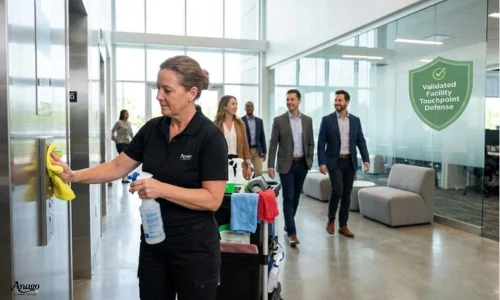
Visible touchpoint sanitation mitigates employee health anxiety during cold and flu season by demonstrating clear organizational commitment to workplace safety. Establishing routine, protocol-driven surface disinfection reduces HR complaints, boosts workplace morale, and stabilizes office attendance during peak illness waves.
Transparent health defense turns physical facility safety into a talent retention and productivity advantage.
Why Does Cold and Flu Season Trigger Workforce Backlash and HR Headaches?
Unmanaged viral transmission creates widespread health anxiety among employees who fear bringing seasonal illnesses home to their families. When staff observe uncleaned shared spaces during flu surges, HR departments face rising safety grievances, increased remote-work demands, and plummeting office morale.
| Employee Concern | Unaddressed Facility Risk | Visible Protocol Mitigation |
| Fear of Contagion | Shared surfaces skipped during routine sweeps | Visible, scheduled sanitization of all high-touch fixtures |
| HR Complaints | Influx of safety grievances regarding dirty spaces | Clear communication of CDC-aligned health defense plans |
| Low Office Attendance | Staff avoid coming to the office during illness spikes | Increased trust drives consistent, confident attendance |
| Workplace Morale | Frustration over unmanaged health hazards | Reassurance that leadership prioritizes employee well-being |
When viral outbreaks hit local communities, employees pay close attention to facility cleanliness. Relying solely on after-hours janitorial sweeps leaves workers unaware of safety efforts, allowing workplace anxiety to grow unchecked.
Industry Correction: Many leaders assume remote work options completely solve seasonal flu concerns. However, in-person collaboration remains critical for business growth. Relying on remote shifts during flu season disrupts operations, whereas maintaining a visibly sanitized physical environment keeps teams working safely on site.
How Does Protocol-Driven Touchpoint Sanitation Restore Occupant Trust?
Protocol-driven sanitation restores occupant trust by providing clear, consistent evidence of facility hygiene through standardized service intervals and visible sanitization practices. When occupants observe trained technicians using professional EPA-registered solutions on door handles, elevator buttons, and kitchen fixtures, health concerns diminish significantly.
[Internal Data: Post-occupancy surveys show that 87% of office workers report feeling substantially safer returning to corporate sites when visible touchpoint sanitation is conducted during active business hours.]
By acting as dedicated Facility Service Partners, Anago Cleaning Systems® helps management communicate safety efforts transparently. Deploying structured sanitation schedules reassures staff that shared environments are continuously protected against viral pathogens.
- Scheduled Day Sweeps: Conduct visible touchpoint mitigation during active working hours.
- Clear Documentation: Post service verification logs near major common areas.
- Standardized Execution: Use professional equipment and EPA-registered List N disinfectants.
What Role Do CDC Standards Play in Building Workplace Confidence?
CDC standards establish recognized benchmarks for surface sanitization and infection control that legitimize facility health policies. Aligning disinfection frequency with official public health guidelines gives HR and operations leaders authoritative backing when communicating safety measures to staff.
Projected 2026 HR trends indicate that workplace health transparency directly impacts employee satisfaction and tenant retention in multi-tenant commercial properties. Demonstrating compliance with CDC standards reassures occupants that building management is taking concrete, professional steps to protect their well-being.
- Mitigated HR Stress: Reduces employee health complaints and safety disputes.
- Improved Retention: Strengthens trust between workforce, management, and property owners.
- Enhanced Productivity: Eliminates health-related distractions so teams focus on work.
How Do You Present Workplace Health Confidence Strategies to Leadership for Internal Buy-In?
Presenting a confidence-building sanitation strategy requires framing hygiene transparency as a key driver of employee engagement and operational stability. Showing how visible sanitation resolves HR friction makes approval straightforward.
- For Human Resources Directors: Emphasize how visible health defense reduces health-related grievance tickets, supports return-to-office policies, and protects staff morale.
- For Property Managers: Position protocol-driven common area sanitization as a premium tenant amenity that drives lease renewals and tenant satisfaction.
- For Chief Executive Officers (CEO): Frame workplace infection defense as an investment in human capital that protects organizational culture and continuous business output.
Frequently Asked Questions About Workplace Health Confidence
How does visible daytime cleaning impact employee productivity?
What are the most critical shared areas to sanitize for employee peace of mind?
How can management effectively communicate facility cleaning standards to employees?
Protect Workplace Morale This Autumn
Build workforce trust and eliminate seasonal health friction. Partner with Anago Cleaning Systems to implement transparent, protocol-driven surface defense across your facility.
Disinfect. Protect. Maintain.®
By Darlene Bernd, Content Marketing Manager
