Why Is Environmental Safety Essential for Hospitality Brands?
 dbernd
July 23, 2026
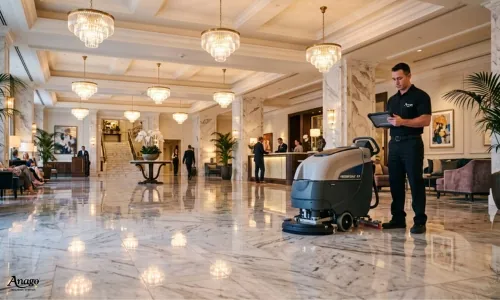
Hospitality properties must balance beautiful aesthetics with strict public health compliance to safeguard guests and protect brand value. High-traffic venues require verifiable surface management to prevent slip-and-fall injuries and satisfy health department audits. Relying on basic cleaning methods can ruin expensive finishes and increase your legal liabilities. Partnering with an expert Facility Service Partner ensures consistent quality across all areas, delivers clear audit tracking, and protects your property assets.
In the hospitality industry, environmental safety directly impacts online reviews, guest retention, and corporate liability. Property managers must look beyond superficial cleaning to maintain safe, slip-resistant spaces that pass regulatory inspections.
Consistent, documented care reduces operational risk and preserves expensive property finishes.
How Do SCOF Standards Reduce Slip and Fall Liabilities?
Floor safety is determined by the Static Coefficient of Friction (SCOF), which measures surface traction. Hospitality venues must test and maintain these floor standards to prevent slips and falls in areas like lobbies, pool decks, and public restrooms.
Using unverified floor polishes can lower traction, creating a major liability risk. Standardized floor care keeps your surfaces beautiful while ensuring they meet safety guidelines.
How Do Public Health Audits Affect Hospitality Operations?
Public health inspections look closely at sanitization practices in guest rooms, dining spaces, and fitness areas. Failing an audit leads to poor health ratings, expensive fines, and forced closures that can devastate a brand’s reputation.
Keeping detailed records of your disinfection routines provides solid proof of care during unexpected health inspections.
What Are the Main Cleaning Mistakes That Put Hospitality Assets at Risk?
The most common mistake made by hospitality staff is using cheap, retail-grade cleaning products on high-end architectural finishes. These incorrect choices can permanently damage expensive wood, stone, and metal surfaces throughout the property.
The Counter-Intuitive Insight: The Real Cost of Fragrant Cleaners
Many hospitality managers believe that a strong, pleasant fragrance signals a clean and healthy environment for guests. However, heavy masking fragrances often hide poor cleaning habits and can trigger allergic reactions in sensitive guests.
True cleanliness does not rely on perfumes. Safe, compliant hospitality spaces focus on removing odor-causing bacteria entirely using odorless, EPA-registered solutions.
How Do Standardized Protocols Achieve Real ROI Gain?
Standardized maintenance plans extend the life of premium hospitality assets, moving facility care from an expense to a smart investment. Protecting high-traffic surfaces saves your property from premature capital replacement costs.
- Protects Stone and Marble Flooring: Proper sealants and correct chemical use prevent etching and costly restoration work.
- Preserves Guest Room Carpets: Regular, deep extraction care removes abrasive dirt, extending carpet life in high-traffic corridors.
- Maintains High-Value Fixtures: Non-corrosive sanitation choices keep brass, chrome, and architectural metals looking brand new.
How Does Anago Help Hospitality Managers Maintain High Standards?
Keeping service quality consistent across large hospitality properties requires an organized, professional approach that overcomes high staff turnover. Anago provides a reliable system that keeps every area of your property audit-ready.
- Trained Surface Safety Protocols: Technicians use specialized floor care methods to keep traction scores high and within safe limits.
- Hospital-Grade Disinfection in Public Areas: High-touch spots like elevators, check-in desks, and handrails are treated with EPA-registered solutions.
- Digital Service Tracking Logs: Property managers receive instant digital confirmation that all sanitation protocols are being met.
| Operational Metric | Internal Housekeeping Crews | Anago Protocol Framework |
| Floor Safety Focus | Visual shine only | Documented SCOF traction testing |
| Chemical Safety | Variable retail products | Selected, asset-safe EPA solutions |
| Staffing Reliability | Vulnerable to turnover | Consistent, managed service delivery |
| Operational Impact | Unpredictable results | Verified asset preservation |
Present This to Your Leadership
Getting executive approval for an expert facility partnership means focusing your proposal on asset protection and reduced corporate liability. Presenting clear business benefits helps distinct leadership stakeholders see the value.
- For the General Manager: Highlight how standardized care improves guest satisfaction scores, protects reviews, and ensures smooth property operations.
- For the Risk Manager: Show how documented traction testing lowers slip-and-fall liabilities and helps reduce commercial insurance premiums.
- For the Chief Financial Officer: Explain the long-term savings from extending carpet and flooring life, which helps lower overall capital expenditures.
Frequently Asked Questions About Hospitality Facility Safety
Why is SCOF testing important for hospitality liability claims?
How should public restrooms be managed to meet health codes?
Can using the wrong cleaning chemicals void product warranties?
Protect Your Hospitality Asset
Do not let poor maintenance choices threaten your brand reputation or increase your liability risks. Contact us to set up a technical scoping call for your property.
By Darlene Bernd, Content Marketing Manager
