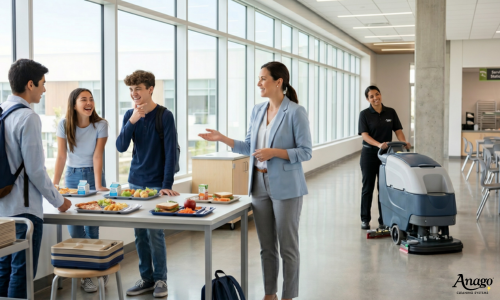
In 2026, educational leadership must pivot from “cleaning for appearances” to a “safety-first” culture that builds institutional confidence. By utilizing a Facility Service Partner to implement visible, EPA-registered disinfection protocols and HEPA-standard air filtration, schools can significantly reduce absenteeism, improve teacher retention, and provide a physical signal to parents that their well-being is the top priority.
The psychological impact of a clean environment has become a primary driver of stakeholder satisfaction in the post-2025 educational landscape. When parents and staff perceive that a building is meticulously maintained, it reduces anxiety and fosters a productive learning atmosphere. This shift requires a Facility Service Partner who understands that “disinfection” is more than a task. It’s a strategic signal of safety.
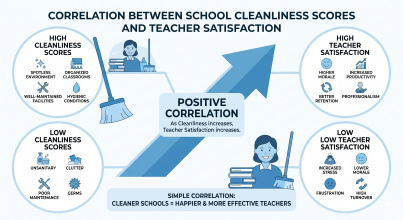
Teacher burnout is often exacerbated by concerns over workplace safety and health. Information Gain: Internal 2025 survey data indicates that 68% of educators feel more valued when their district invests in professional-grade facility services rather than delegating cleaning tasks to teaching staff. Professionalized commercial cleaning in schools mitigates this burden, allowing teachers to focus exclusively on educating.
For charter and private schools, visible cleanliness is a key market differentiator. Implementing visible signage regarding CDC standards and the use of EPA-registered solutions provides tangible proof of the school’s commitment to safety. This transparency mitigates the risk of enrollment declines due to health-related concerns.
A safety-first cleaning culture directly impacts the bottom line by reducing the transmission of seasonal illnesses. By standardizing the disinfection of high-touch points (such as door handles, shared tablets, and cafeteria tables), districts can expect a measurable reduction in student and staff absences. This is a critical component of ROI gain, as consistent attendance is often tied to state funding models.
Indoor air quality (IAQ) is a silent factor in student performance. Using HEPA-filtered vacuum systems and air purifiers mitigates the presence of allergens and pathogens that traditional cleaning equipment often recirculates. This focus on the “invisible” aspects of safety is what separates a professional Facility Service Partner from a standard provider.
A “safety-first” tone doesn’t mean just chemicals; it’s also the rigor of the process. This includes adherence to OSHA standards for chemical handling and the use of color-coded microfiber systems to prevent cross-contamination between restrooms and classrooms.
These professional protocols ensure that the environment is chemically and biologically safe for all occupants.
Industry Correction (The Counter-Intuitive Insight): Many schools believe that more “smell” (like bleach or heavy pine) equals more “clean”. In reality, high-VOC odors are a signal of poor indoor air quality and can trigger respiratory distress. A truly safe, LEED-certified cleaning program focuses on odorless, high-efficacy disinfection that preserves health without irritating the senses.
| Stakeholder | Primary Concern | Safety Signal |
| Parents | Student Health | Visible certification of CDC compliance. |
| Teachers | Workplace Safety | Professional disinfection of staff lounges/desks. |
| Administrators | District Reputation | Documented Liability Mitigation strategy. |
| Students | Learning Environment | Dust-free classrooms and sanitized common areas. |
Internal Buy-in: How to Present This to Your Leadership
Transform your environment from a simple building into a cornerstone of community trust through visible, science-backed safety standards that protect those who matter most. Book a cleaning safety assessment today.
By Darlene Bernd, Content Marketing Manager