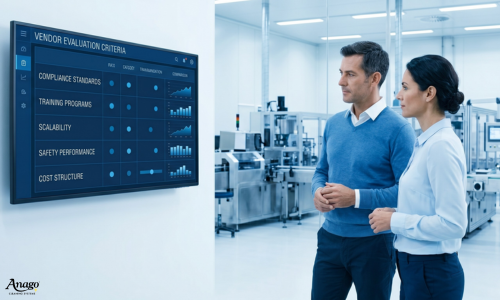
How to Choose a Manufacturing Facility Cleaning Provider


Choosing a manufacturing facility cleaning provider is a risk management decision, not a commodity purchase. The right partner directly influences uptime, OSHA compliance readiness, equipment longevity, and workforce safety. The wrong choice increases operational variability, hidden costs, and production risk.

The most effective providers function as Facility Service Partners – integrating into your operational ecosystem, not simply performing janitorial tasks.

Why Is Choosing the Right Provider a Manufacturing Risk Decision?

Manufacturing environments are highly sensitive systems where cleanliness impacts production continuity, regulatory compliance, and asset performance.

Unlike office environments, cleaning in manufacturing must align with:

  • OSHA workplace safety standards
  • EPA chemical handling requirements
  • ISO quality frameworks
  • GMP-controlled environments where applicable

A provider’s inability to operate within these systems creates measurable operational risk, not just aesthetic issues. The lowest-cost cleaning provider often becomes the highest-cost operational decision once downtime, rework, and compliance risk are factored in.

What Should You Evaluate First in a Manufacturing Cleaning Provider?

1. Industry-Specific Experience in Manufacturing Environments

Not all cleaning providers understand production-floor complexity. Manufacturing facilities require expertise in:

  • Machine-adjacent cleaning protocols
  • Forklift and pedestrian traffic zones
  • Dust and particulate control
  • Shift-based scheduling coordination
  • Safety-compliant chemical usage

Providers without this experience often rely on office-cleaning methods that are not suitable for industrial environments.

How Important Is Compliance Capability?

Compliance readiness is one of the most critical evaluation criteria.

A qualified provider must understand and operate within:

  • Occupational Safety and Health Administration workplace safety requirements
  • Environmental Protection Agency chemical usage regulations
  • Industry-specific audit expectations

What to Ask Providers:

  • How do you train staff on OSHA-aligned procedures?
  • What chemicals do you use, and are they EPA-registered?
  • How do you support audit readiness?

Providers that cannot clearly answer these questions introduce compliance exposure.

What Role Does Training and Workforce Stability Play?

Cleaning consistency in manufacturing depends heavily on workforce quality and retention.

High-performing providers invest in:

  • Structured onboarding programs
  • Ongoing safety training
  • Site-specific procedural documentation
  • Supervisor-led quality control

In contrast, high turnover models create inconsistency, missed tasks, and increased operational variability.

KPI to Evaluate

Staff Retention Rate at Facility Level

Low turnover correlates strongly with:

  • Higher cleaning consistency
  • Fewer safety incidents
  • Better audit outcomes

How Should You Evaluate Scalability and Operational Fit?

Manufacturing operations evolve constantly based on production demand, seasonal output, and facility expansion. A scalable provider should support:

  • Multi-shift coverage
  • Rapid staffing adjustments
  • Emergency response cleaning
  • Expansion into new facility zones
  • Standardized service across multiple sites

Why Does Process Standardization Matter?

In manufacturing environments, variability creates risk. Strong providers implement:

  • Documented cleaning protocols
  • Task verification systems
  • Supervisor inspections
  • Digital reporting dashboards

ISO 9001-aligned providers typically demonstrate stronger process consistency and accountability.

What Is the Hidden Cost of Poor Provider Selection?

Many organizations focus on hourly rates instead of total operational cost. Hidden costs often include:

  • Equipment contamination-related downtime
  • Increased maintenance frequency
  • Failed audits or compliance findings
  • Safety incidents tied to housekeeping
  • Internal management time spent correcting issues

A 10% reduction in cleaning contract cost can lead to a 30–60% increase in operational inefficiencies in poorly managed facilities.

How Do You Evaluate Safety Performance?

Safety is one of the strongest indicators of provider maturity. Key safety KPIs include:

  • OSHA incident rate tracking
  • Near-miss reporting systems
  • PPE compliance audits
  • Spill response times

Facilities that prioritize safety-aligned cleaning programs typically experience fewer disruptions and a stronger compliance posture.

What Technology and Reporting Capabilities Matter?

Modern manufacturing facilities require visibility, not just service execution. Look for providers offering:

  • Digital inspection reports
  • Service verification logs
  • KPI dashboards
  • Real-time issue reporting

These systems improve transparency and reduce operational blind spots.

Internal Buy-In: How to Present Provider Selection to Leadership

Operations Leaders focus on uptime protection and workflow continuity

Finance Teams focus on total cost of ownership vs hourly rate

Safety Teams focus on OSHA alignment and risk reduction

Procurement Teams focus on scalability, contract clarity, and accountability systems

Framing selection criteria in business terms increases approval speed and alignment.

Reduce operational risk by aligning your facility with a partner built for manufacturing complexity. Explore Manufacturing Facility Cleaning Services

Frequently Asked Questions

What is the most important factor when choosing a cleaning provider?

Manufacturing experience and compliance capability are the most critical factors, as they directly affect safety and production continuity.

Should cost be the primary decision factor?

No. Total operational cost, including downtime and risk exposure, is more important than hourly pricing.

How do I verify a provider’s manufacturing expertise?

Ask for facility-specific case studies, training programs, and safety compliance documentation.

What certifications should a provider have?

OSHA-aligned training programs, EPA-compliant chemical usage, and ISO-based process standards are strong indicators.

By Darlene Bernd, Content Marketing Manager
Cookies preferences

Necessary

Necessary
Necessary cookies are absolutely essential for the website to function properly. These cookies ensure basic functionalities and security features of the website, anonymously.